Key Takeaways
- Email Communication: Ideal for sharing important documents, formal notices, and reminders about upcoming maintenance or policy updates. However, be mindful that some tenants may not check their emails regularly, potentially leading to delays.
- Text Messaging: Useful for non-urgent, time-sensitive matters such as maintenance notifications or rent reminders. While convenient, texting lacks formality and security, making it less suitable for serious discussions like lease terms or policy changes.
- Phone Calls: Best suited for addressing urgent or complex issues that require immediate attention and real-time discussion. Keep in mind that phone calls don’t provide a written record, which could be important for future reference.
Effective communication is the cornerstone of a successful landlord-tenant relationship. When landlords communicate clearly and consistently, tenants feel valued and informed, which, in turn, makes them more likely to respect and renew their lease agreements.
Being flexible will not only strengthen the relationship with your tenants but also help resolve issues efficiently, keeping your rental operations running smoothly.
In this article, the team at Specialized PM Houston will go over the best times to email, text, or call tenants. Keep reading to learn how to improve your communication strategy!
When To and Not To Email Tenants
Emails are a great way to communicate with tenants because they’re quick to write and can be scheduled to be sent at convenient times and dates. Additionally, emails allow landlords to form a paper trail, making it easier to document communication and avoid misunderstandings.
Emails are great for sharing important documents, such as lease renewals or formal notices, as they allow you to keep track of all documents and information shared.
Emails are also a good method of sending reminders, such as upcoming payment reminders, announcements of upcoming maintenance, or policy updates, as they can be scheduled to be sent when it’s more convenient and allow for the same message to be sent to multiple people at once.

As great as they are, emails are not an ideal form of communication for all tenants. Some tenants may not check their inboxes regularly, leading to delays in communicating and misunderstandings.
On the other hand, some tenants may already be swamped with emails, which can make it easy for them to overlook your messages as a landlord.
When To and Not To Text Tenants
Texts have become the preferred form of communication for many people. After all, everyone has a phone nowadays and sending and responding to texts doesn’t take a lot of time, so everyone can do it.
Text messages can be great for communicating non-urgent but time-sensitive matters, such as letting tenants know of upcoming maintenance work, asking tenants about maintenance issues they reported, or reminding them that rent is due. Texts are also great for providing quick updates or follow-ups for maintenance requests.
The downside of texts is that they’re not very formal or secure. Because of this, texting is not ideal for discussing serious matters, such as giving tenants formal notices, announcing rent increases, discussing renewal terms, or going over policy changes.
When To and Not To Call Tenants
Calling tenants allows you to discuss matters in real time, preventing misunderstandings. That’s why they’re great for discussing time-sensitive matters or more complex issues that may require a lot of back-and-forth, such as going over new lease terms or explaining the lease renewal policies.
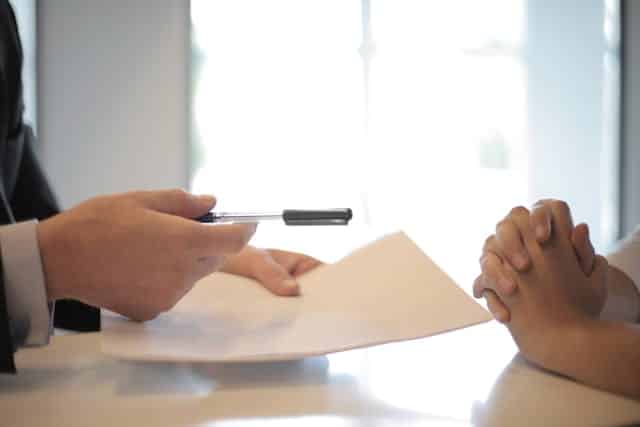
Unfortunately, it’s impossible to create a paper trail with calls. This can be problematic, as you won’t be able to go back to what was said during the call and, thus, that information cannot be used as proof in case of a dispute.
Another negative thing about calls is that it can be difficult to find the right time to call tenants. Both you and your tenants are incredibly busy, making it difficult to find the right time to schedule a call, which can make it hard to address issues or serious matters promptly.
How to Choose the Right Form of Communication
The best way to determine the best form of communicating with tenants is by asking their preferences. Some tenants may be okay with email, texts, and calls, while others may prefer to only use emails as the main form of communication.
However, if you ever find yourself wondering what’s the best way of communicating with renters, consider the following factors:
1. Urgency of the Matter
If it’s an emergency that requires immediate action, a call is the way to go. Even if tenants have expressed they would rather not be contacted this way, you can send them a quick text letting them know you’ll be calling due to an emergency.
If the issue is time-sensitive but not necessarily an emergency, you can send a text urging tenants to respond as quickly as possible. For any other non-urgent communications, you can either send tenants a text or an email.

2. Need for Documentation
If you need to document the interaction, you should avoid discussing important matters over the phone. Instead, it’s better to use emails as the main form of communication. While texts allow for limited documentation, emails are great for creating a clear paper trail.
3. Professionalism and Tone
Texts are casual and more informal, but incredibly useful for quick exchanges and updates. Emails, on the other hand, are more formal, making them ideal for legal, financial, and other serious matters.
Phone calls can be either formal or informal, depending on how you approach them. However, regularly calling tenants to go over non-urgent issues can be annoying to tenants. So, make sure to only call when strictly necessary.
Bottom Line
Open communication is the key to a better relationship with your tenants, as it fosters trust and transparency. If you want to succeed as a landlord, you must know how to communicate effectively with tenants. This includes knowing when to call, text, or email renters.
Calls are best for when urgent action is needed, such as emergencies, security concerns, and unexpected maintenance visits, as well as for discussing sensitive issues, like late payments and lease violations. Texts, on the other hand, are great for quick updates and reminders.
Finally, emails are best for sending important documentation, such as lease agreements, rent increases, policy changes, or legal notices, and for non-urgent matters, like maintenance requests, renewal discussions, or general property updates.
If you need help communicating with tenants, contact Specialized PM Houston! Our team of dedicated property managers can serve as the main point of contact between you and your tenants, streamlining communication and preventing misunderstandings.