
Key Takeaways
- Allowing paint can boost resident satisfaction and encourage longer stays.
- Poor color choices or DIY jobs can raise turnover and repair costs.
- Clear painting guidelines help prevent disputes and protect your property.
- The decision depends on your goals—flexibility may offer a competitive edge.
Are you second-guessing whether letting residents paint your rental property is a smart move or a recipe for regret? You’re not alone, many Houston landlords wrestle with this exact question.
On one hand, allowing residents to personalize a space can boost satisfaction and potentially lead to longer stays.
On the other hand, it raises concerns about poor color choices, inconsistent paint jobs, and added costs when turning the unit over. Striking a balance between maintaining your property’s value and fostering a sense of home is tricky, but doable.
With insights tailored for Houston landlords, Specialized PM Houston can help you navigate this gray area with confidence and clarity. Let’s break it down together.
Pros of Allowing Residents to Paint Your Rental Property
1. Increased Resident Satisfaction
When residents feel like they have some say in their living space, they’re naturally happier. In Houston’s competitive rental market, even a small freedom like choosing a wall color can set your property apart and make residents feel more at home.
It answers the “why should I stay longer?” question many residents ask themselves when deciding to renew a lease.
When you allow painting within a set of approved colors, it gives just enough flexibility without losing control. Happy residents often translate into stable, long-term occupancy and fewer vacancies for you.
2. Stronger Sense of Ownership
Allowing residents to paint their walls can make them feel more invested in your property. In Houston, where residents value comfort and personal style, this small gesture can build loyalty and pride in the home.
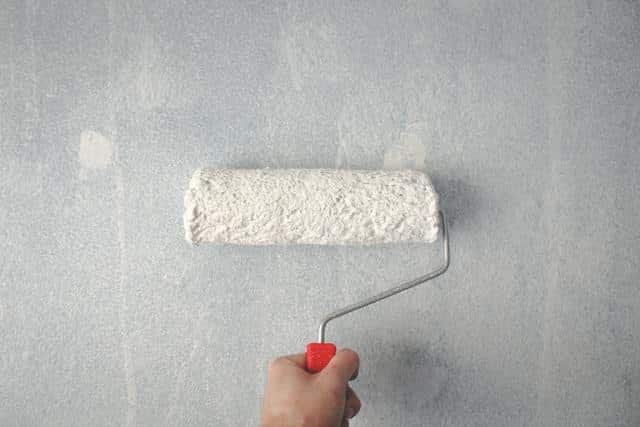
That pride often means fewer careless damages and more timely reporting of real maintenance issues. As a landlord, this helps you keep your property in better shape without having to micro-manage every detail.
3. Fewer Maintenance Requests
When residents have permission to handle their own painting, they might also take on small touch-ups or minor wall repairs themselves. That’s especially helpful in busy cities like Houston, where coordinating maintenance visits can take time.
If a resident sees a scuff or nail hole and knows they can paint, chances are they’ll fix it instead of sending in a request. This lightens your maintenance load and allows you to focus on more pressing matters, all while still keeping your rental looking fresh and cared for.
4. Competitive Edge in the Houston Market
Giving residents a little creative freedom with paint can help your property stand out in a sea of lookalike rentals. By offering this added flexibility, you present your property as resident-friendly, which can attract more applications.
This approach also appeals to families and long-term renters looking for a space that feels like home. As long as guidelines are in place, it’s a low-risk perk that can give you a strong marketing advantage without significantly increasing expenses.
Cons of Allowing Residents to Paint Your Rental Property:
1. Risk of Poor Color Choices
Let’s face it, not everyone has an eye for interior design. In Houston, where you may be showing your rental to a wide variety of prospective residents, bold or dark wall colors can turn people away quickly.
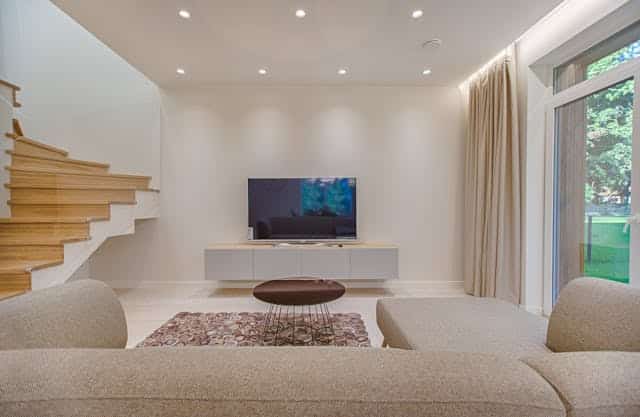
If one resident paints the living room in bright orange, you could be stuck with the job of repainting it back to a neutral tone before the next showing.
This adds both time and cost between turnovers, especially when trying to get your unit back on the market quickly and make a strong first impression.
2. Inconsistent Quality of Work
Allowing residents to paint means trusting them to do it well, and that’s not always a safe bet. In a city like Houston, where hot and humid conditions can already affect paint jobs, a sloppy application can make your property look neglected.
You might end up hiring a professional just to fix a poor DIY job, which defeats the purpose of saving time or money. Quality control becomes a challenge when multiple hands are involved without proper guidance.
3. Higher Turnover Costs
Even if you allow painting with rules in place, you’ll likely have to repaint the walls after a resident moves out.
Neutral colors show better in listings and open houses, especially here in Houston where rental competition can be tight. Repainting means added labor and material costs, and if the wall prep wasn’t done correctly, you may even need extra surface repair.

These expenses can sneak up on you, especially if you’re turning over multiple units around the same time. What seems like a simple yes to painting can quickly snowball into unexpected maintenance bills.
4. Disputes Over Responsibility
When painting is allowed without clear terms, it can lead to misunderstandings. Who pays to fix a paint job gone wrong?
What if the resident didn’t prime the walls or used paint that’s hard to cover? In Houston’s rental scene, where quick turnovers matter, these details can become frustrating during move-out inspections.
Without written guidelines, disagreements can easily arise, delaying your next leasing cycle. To avoid the back-and-forth, you need well-defined policies, and even then, enforcing them can take time and energy that could’ve been spent elsewhere.
Finding the Right Shade of Yes or No
Allowing residents to paint isn’t a one-size-fits-all decision. It depends on your goals, the type of rental, and how much control you want over the property’s appearance.
Specialized PM Houston can help you weigh the pros and cons specific to your property and the Houston market.
Whether you decide to allow some flexibility or keep a strict policy, their team can guide you toward a smart, cost-effective choice. Reach out today to explore what works best for your rental.