

Key Takeaways
- Cash flow is the foundation of rental success – Positive cash flow ensures profitability, covers expenses, and allows long-term reinvestment, while negative cash flow puts landlords at financial risk.
- Know the components of cash flow – Income sources, fixed and variable expenses, and capital expenditures all play a role in determining whether your rental business thrives or struggles.
- Adopt smart strategies to boost cash flow – Set competitive rents, reduce vacancies, control maintenance costs with preventive care, plan for CapEx, leverage tax benefits, and manage debts wisely.
- Property management can strengthen profits – A professional management company helps minimize costly mistakes, improve tenant retention, and enhance long-term cash flow.
-
Manage Utility Usage and Costs – For Houston landlords, utility costs can make a noticeable difference in your property’s bottom line. Electricity rates vary widely across providers, and many investors overlook how much savings come from simply choosing the right plan. Regularly reviewing and comparing options through platforms like Gatby’s Houston electricity marketplace helps ensure your tenants — or you — aren’t overpaying. Staying proactive with energy plans keeps operating expenses predictable, improves cash flow, and supports a more profitable rental business overall.
For a long time, one of the cornerstones of wealth-building strategies has been investing in rental properties.
Many people find this strategy appealing because it offers steady rental income and has the potential for long-term appreciation in property value. However, this seemingly straightforward investment has an important factor that determines its success.
The lifeblood of every rental property investment is cash flow. That is because it determines whether a landlord can generate profit, reinvest in properties, and handle expenses. A high-value property can experience financial strain if its cash flow is ignored.
In this article, we will offer an in-depth explanation of cash flow in rental property management and outline strategies you can deploy to ensure profitability and avoid common issues.
What Is Cash Flow in Rental Properties?
For rental properties, cash flow is the net amount of money remaining after all income is received and expenses are paid. That means:
Cash flow = Total rental income – Total expenses
- Positive cash flow occurs when rental income exceeds expenses. What remains is the profit which can be saved, distributed, or reinvented.
- Negative cash flow occurs when expenses are more than the rental income. That means the landlord will get money from elsewhere to cover the shortfall.
As explained above, consistent positive cash flow is what helps rental properties thrive and ensure long-term growth.
Why Cash Flow Matters
For rental property owners, cash flow determines the financial stability and health of the investment.

Cash flow offers the following benefits:
- Resilience: If the landlord experiences market downturns, repairs, and unexpected vacancies, cash flow will provide a buffer.
- Wealth creation: With continuous positive cash flow, landlords are certain of accumulating long-term wealth and financial independence.
- Operational viability: Cash flow ensures that mortgage payments, maintenance, and bills are settled on time.
- Investment capacity: Property owners with positive cash flow can reinvest into portfolio expansion or property improvements.
Components of Cash Flow
Below are the major components of cash flow that every landlord should know:
Income Sources
Although rental payment is the most obvious source of income for landlords, you can earn more income with your rental properties through storage units, laundry facilities, parking fees, pet fees, and application or late fees. It is advisable to diversify income streams to earn more stability, especially if the market has tight rental margins
Fixed Expenses
These are steady or recurring expenses that must be covered monthly. They include: property management fees, insurance premiums, property taxes, and mortgage payments.
Variable Expenses
This entails costs that are not steady or fluctuate depending on some circumstances. They include: vacancy-related expenses, utilities, repairs and maintenance, landscaping, or snow removal.
Capital Expenditure (CapEx)
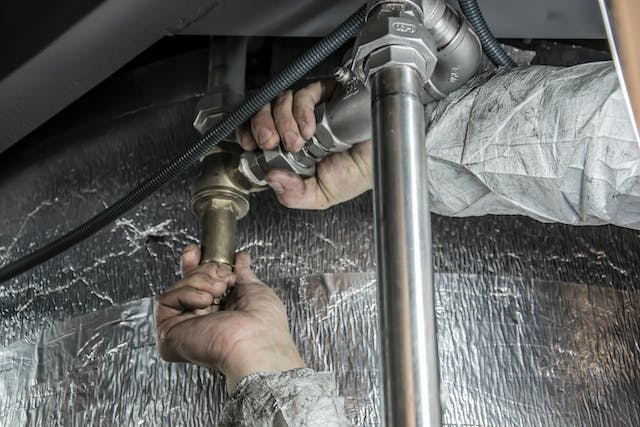
Although these are not monthly expenses, landlords need to anticipate them to prevent sudden financial strain. They include larger, long-term investments such as plumbing upgrades, HVAC installation, or roof replacement.
Strategies for Ensuring Positive Cash Flow
Set Realistic Rents
The rents you set should not be too high. Doing so will scare tenants away from the property and reduce cash flow. At the same time, the rents should not be too low because they will reduce your rental income, leading to a negative cash flow.
Find a mid-point. Ensure that your rent is competitive enough to attract renters and high enough to cover all the expenses. Ensure your pricing is fair without leaving money on the table. Your rent should be according to a comparable property analysis.
Reduce Vacancy Rates
One of the biggest drains on cash flow is vacancy rates. You can reduce it using the strategies below:
- Effective marketing across many platforms.
- Offer incentives for lease renewal.
- Respond promptly to tenant requests.
- Perform regular updates to maintain the property’s appeal.
Control Maintenance Costs
Emergency and reactive repairs cost more than preventive maintenance. If you aim to reduce maintenance costs, we advise that you engage in preventive maintenance. Build a good rapport with reliable contractors and reduce unexpected expenses.
Plan for Capital Expenditures
It is recommended that you allocate 5 – 10% of your rental income yearly for capital expenditures. Instead of waiting for a major system to develop issues, property owners need reserves (savings) for long-term replacements.

Leverage Tax Benefits
There are numerous tax benefits for rental property owners. Some of these deductibles include repair or maintenance costs, mortgage interest, and depreciation. Landlords should understand how tax laws work or hire a tax professional to help them increase their legally allowable deductions. Doing so will boost their effective cash flow.
Manage Debts Wisely
One of the significant expenses that can reduce cash flow or tip it towards the negative angle is a mortgage. We recommend that you refinance at lower interest rates, make additional payments toward the principal, or select loan terms that will improve your cash flow.
Strategically Use Professional Property Management
Some landlords think that hiring a property management company adds to their expenses and reduces their cash flow. Although property management fees will add to your expenses, they generate more income and reduce or eliminate additional expenses.
A good property management company will reduce unnecessary maintenance, boost tenant retention, and prevent costly litigation. As a result, it will preserve and enhance long-term cash flow.
Final Thoughts
The cornerstone of profitability for every successful rental property investment is cash flow. We advise that you build a cash flow resident business through emergency reserves, tenant screening, insurance coverage, diversification, and regular reviews.
Ensure you minimize extended vacancies, unexpected repairs, tenant defaults, and poor financial planning.
Hiring Specialized PM Houston is the best strategy if you need professional guidance. Contact us today to learn more!