
Key Takeaways
- Deferred maintenance leads to costly emergency repairs—stay proactive with upkeep.
- Vacancies cost more than lost rent—consider cleaning, utilities, and marketing expenses.
- Tenant turnover adds up—from cleaning to screening, it can quietly eat into profits.
- Legal compliance is crucial—mistakes can lead to hefty fines or lawsuits.
- Poor documentation can weaken your legal and financial position.
- Mispriced rent affects income even if it’s not an “expense” on paper.
- Inadequate insurance coverage exposes landlords to major financial risks.
- Inclusive utilities can become a hidden drain if usage isn’t monitored or capped.
- Time spent self-managing is a hidden cost—consider the value of your time.
Owning rental property can be a rewarding venture, offering a consistent income stream and long-term investment growth. But behind the potential profits, landlords often face a variety of hidden costs that slowly chip away at their bottom line.
These are not always the obvious monthly expenses like mortgage payments or property taxes. Instead, they’re small, ongoing costs or unexpected issues that don’t always appear in the budget until it’s too late.
In today’s guide, Specialized PM Houston will tell you 9 hidden costs you should watch out for.
9 Hidden Costs Every Landlord Should Watch Out For
1. Maintenance Delays and Reactive Repairs
One of the most overlooked costs in rental property management is the result of deferred maintenance. A leaky faucet ignored for too long can result in water damage, or a neglected HVAC filter can lead to costly system failure.
Emergency service calls, rushed contractor work, and tenant inconvenience can also impact your reputation and increase tenant turnover. By staying on top of regular maintenance, landlords can avoid these snowballing expenses and protect the long-term value of their property.
2. Vacancy-Related Expenses
When your rental property sits empty, you still continue to pay for utilities, property taxes, mortgage interest, and insurance. They may also spend on cleaning, painting, minor repairs, and advertising the rental.

Long vacancies often indicate a pricing mismatch, poor marketing, or a lackluster property condition. The key is minimizing the turnaround time between tenants by preparing the unit quickly and marketing it effectively.
3. Tenant Turnover Costs
Tenant turnover is another silent profit killer. Whenever a tenant moves out, landlords must prepare the unit for the next renter. This often includes cleaning, repainting, carpet replacement, and minor repairs.
In addition, there are administrative costs for screening new applicants, showing the property, and handling the lease process.
4. Legal Fees and Compliance Penalties
Overlooking local regulations about notice periods, security deposit handling, or eviction procedures can lead to fines, lawsuits, or tenant disputes. Even a single legal misstep can cost more than several months of rental income.
Some landlords rely on generic lease templates or advice from forums, but this can be risky. A poorly written lease may lack essential clauses or contradict local laws.
Legal fees for defending a claim or making corrections after a tenant files a complaint are often much higher than the cost of getting things right from the start.
5. Poor Documentation and Administrative Errors
Another hidden cost comes from mismanaging paperwork and finances. Losing track of lease agreements, rent receipts, or maintenance logs can create confusion and disputes. If the landlord cannot provide clear records, it may weaken their position in court or during a tax audit.

A solid documentation system not only protects the landlord legally but also ensures smoother operations and better financial management.
6. Mispriced Rent
Setting rent too low to quickly secure a tenant can leave money on the table, while pricing it too high can lead to long vacancies and frequent turnover. Mispriced rent is one of those costs that doesn’t appear in your expense column, but it affects your income directly.
Market research is essential when determining rental rates. Understanding the value of your property compared to similar rentals in the area helps ensure you stay competitive without undercharging.
7. Overlooked Insurance Coverage
Many landlords assume that standard homeowner’s insurance will cover rental property needs, but that’s rarely the case. Without proper landlord insurance, property owners may be exposed to risks like tenant injury claims, property damage, or loss of rental income due to natural disasters.
Failing to review your policy annually could leave gaps, such as not accounting for newly installed appliances or increased rebuilding costs. Ensuring you have comprehensive coverage may cost more upfront, but it prevents larger out-of-pocket losses in the event of an incident.
8. Utility Overages in Inclusive Rentals
In some rental setups, landlords choose to include utilities in the rent. This approach may attract tenants, but also creates opportunities for abuse. If tenants leave the air conditioning on all day or run multiple space heaters during winter, utility bills can spike unexpectedly.
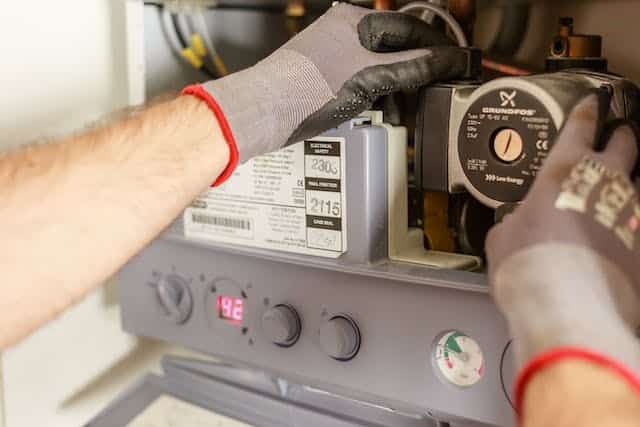
Without systems in place to monitor and cap usage, landlords may find themselves consistently paying more than they collect in rent. Installing separate meters, setting reasonable usage limits, or shifting to tenant-paid utilities can help reduce this under-the-radar cost.
9. Time Spent on Self-Management
Time is money—and for self-managing landlords, every hour spent handling maintenance calls, bookkeeping, lease agreements, and tenant concerns has a cost. While the DIY approach may seem like a savings strategy, it often leads to burnout and inefficiencies.
Many landlords underestimate the value of their own time. If managing your property portfolio is interfering with other responsibilities or income opportunities, it’s worth reevaluating whether you’re really saving money by doing it all yourself.
Why You Should Work with a Professional Property Management Company
Hiring a property management company is a smart way to cut down on hidden costs. They handle routine maintenance, market your rental effectively, screen tenants thoroughly, and ensure legal compliance—all of which help reduce costly issues like vacancies and turnovers.
They also take care of time-consuming tasks like rent collection and financial reporting, saving you time and stress. Plus, their connections with trusted contractors often mean lower repair and service costs.
While there’s a fee involved, the time saved and money preserved often make it well worth the investment.
Final Thoughts
Being a landlord requires foresight, planning, and constant vigilance to maintain profitability. The hidden costs of rental property ownership can quietly erode your earnings over time.
By following the above-mentioned tips, you can avoid these silent budget leaks. And if the workload becomes overwhelming or the hidden costs keep piling up, working with a reputable property management company can provide the support and expertise you need to succeed.
Contact Specialized PM Houston and we’ll be happy to assist you.