
For landlords, maintaining a rental property is crucial for attracting and retaining tenants and preserving the property’s value.
Effective maintenance ensures the smooth operation of rental units while fulfilling legal responsibilities.
However, it’s important to note that property maintenance is a shared responsibility between the landlords and the tenants and it can also be included in the lease agreement.
It’s crucial to understand your responsibilities as a landlord and ensure that your tenants equally understand their maintenance obligations.
What Are a Landlord’s Property Maintenance Responsibilities?
Landlords must ensure their properties are safe, clean, and in good repair to comply with local housing codes and regulations.
The specifics can vary by location, but generally, landlords are responsible for:
- Structural Maintenance: Includes the upkeep of roofs, foundations, and walls. Ensuring these elements are intact and functional is crucial for the safety and security of the property.
- Utilities: Landlords should ensure all electrical, plumbing, heating, and, if applicable, air conditioning systems are in working order. Regular inspections and prompt repairs are essential to avoid disruptions and potential hazards.
- Appliances: If appliances are provided, they must be maintained in good working condition. This includes refrigerators, stoves, dishwashers, and washers/dryers when included.
- Common Areas: For properties with common areas like hallways, lobbies, or courtyards, it is the landlord’s responsibility to keep these spaces clean and safe.
- Pest Control: Addressing any infestation issues quickly is vital to prevent spread and maintain livable conditions.
- Safety Features: This includes maintaining smoke detectors, carbon monoxide detectors, fire extinguishers, and ensuring all locks and security systems function correctly.

Legal Ways Tenants Are Required to Help with Property Maintenance
While landlords have significant responsibilities, tenants also play a role in maintaining their rental units. Legally, tenants are typically required to:
- Keep Premises Clean: Tenants must keep their units reasonably clean and sanitary. This includes disposing of garbage properly and handling food in a way that does not attract pests.
- Avoid Damage: Tenants should avoid causing any damage to the property. This includes adhering to all guidelines regarding the use of fixtures and appliances.
- Report Problems Promptly: It is crucial for tenants to report any maintenance issues as soon as they arise. Quick reporting can prevent minor issues from becoming major problems.
- Comply with Maintenance Requests: If the landlord schedules maintenance or repairs, tenants are required to allow access to their units at reasonable times.
Additional Maintenance Opportunities
Beyond the basics, landlords can undertake additional maintenance tasks to enhance their property’s appeal and functionality:
- Landscaping: Regular landscaping maintenance can significantly enhance a property’s curb appeal, making it more attractive to prospective tenants.
- Upgrades and Renovations: Periodic updates to fixtures, fittings, and finishes can keep a property looking modern and well-cared for, which can justify higher rents and attract a broader tenant base.
- Seasonal Maintenance: This includes gutter cleaning, checking insulation before winter, servicing heating systems, and ensuring the property is ready for changing weather conditions.
- Energy Efficiency Improvements: Installing energy-efficient windows, insulation, and appliances can reduce utility costs and attract environmentally conscious tenants.

Other Important Things to Remember
Routine Inspections
Scheduled walk-throughs allow landlords to identify issues before they become costly repairs. Inspections should be thorough, covering everything from the condition of appliances to the integrity of windows and doors.
Creating a checklist for each inspection can help ensure consistency and completeness.
Responding to Maintenance Requests
Timeliness in addressing maintenance requests is critical. Responsive landlords build trust with their tenants, leading to longer tenancies and fewer vacancies.
Establish a system for tenants to report maintenance issues, whether through an online portal, email, or phone.
Prioritize requests based on urgency—for example, a broken heater in winter should be addressed immediately, while a dripping faucet might be scheduled for repair within a few days.
Long-Term Improvement Plans
Consider creating a long-term improvement plan for your property. This might include major renovations, such as updating the kitchen or bathroom every ten years or replacing the roof every twenty years.
Planning for these significant expenses in advance can help you budget accordingly and avoid financial strain.
Utilizing Technology
Technology can greatly enhance property maintenance efficiency. Property management software can help track maintenance requests, schedule inspections, and manage finances.
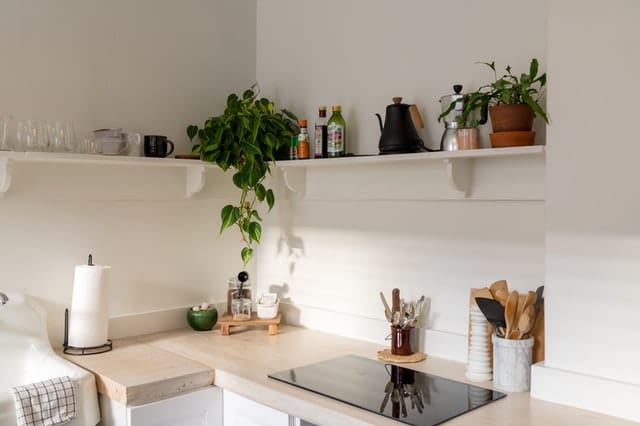
Some platforms even allow tenants to upload pictures of issues, making it easier to diagnose problems and decide if a professional needs to be called.
Educating Tenants
Educating your tenants about their responsibilities and how to properly care for their living space can significantly reduce unnecessary damage and wear and tear.
Provide clear guidelines on what they can do to help maintain the property, such as running the water regularly to prevent pipes from freezing or cleaning lint from the dryer vent.
Why You Should Hire a Professional Property Manager
While self-managing a rental property is an option, hiring a professional property manager can offer numerous benefits:
- Expertise and Experience: Property managers have the knowledge and experience to handle maintenance efficiently. They understand legal obligations and can ensure compliance with all local laws and regulations.
- Tenant Relations: They can manage tenant relations professionally, including handling complaints, maintaining communication, and ensuring tenants fulfill their maintenance responsibilities.
- Cost Savings: Through established relationships with contractors and bulk purchasing, property managers can often obtain services and supplies at a lower cost than individual landlords.
- Peace of Mind: With a professional handling day-to-day management, landlords can enjoy peace of mind knowing their property is in good hands, allowing them to focus on other investments or personal pursuits.
Conclusion
Maintaining a rental property involves a combination of fulfilling legal responsibilities, encouraging tenant cooperation, seizing additional maintenance opportunities, and potentially enlisting professional help.
By staying proactive about property maintenance, landlords can protect their investment, satisfy their tenants, and ensure their rental business thrives.
If you need help, hire a professional property management company like Specialized Property Management Houston.